How we make every player with Tripo 3D
138 players, six national sides, one person. Here’s how a row in a spreadsheet becomes a rigged 3D player in the game.
The problem
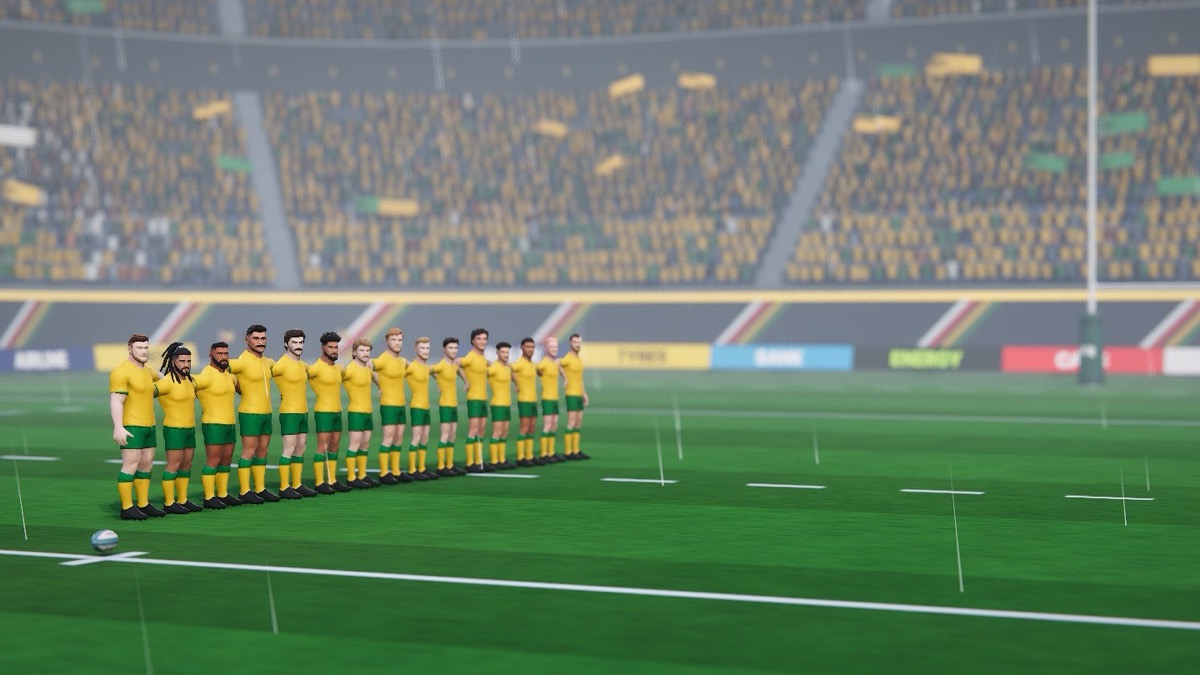
A rugby game needs a lot of people. Every side has a match-day squad of 23, and Rugby Time has six sides so far, so that’s 138 players before anyone gets injured. Modelling, texturing and rigging each one by hand would take a studio months. We have one person and some evenings.
So every player in the game is made the same way, by a pipeline that runs from a spreadsheet to a finished model with almost no hand work in between.
Step 1: a row in Airtable
Each player starts life as a row in Airtable: his team, shirt number, position, height and weight, his ratings, and a few notes on how he looks. The name is invented. It’s the same table the game reads its player stats from, so a player only ever lives in one place.
Step 2: a picture from Gemini
Gemini turns the row into a single front-on picture of the player: standing straight, arms a little out from his sides, in his team’s kit. Every picture is made against the same reference character, so all 138 players share one art style, and nobody looks like they wandered in from a different game.
The pose matters more than you’d think. Arms held tight to the body come out of the next step fused to the hips.
Step 3: Tripo turns the picture into a player
Tripo 3D takes that one picture and builds a textured 3D model from it, then gives it a skeleton so it can run, pass and tackle. We ask for 10,000 faces: enough for a face you can read at a ruck, not so many that 30 players on the pitch slow the game down.
We tried building at a higher detail and reducing the model ourselves afterwards. The textures smeared every time. Letting Tripo build at the size we wanted in the first place looked better and saved a step.
Step 4: into the game
Before a model goes in, the pipeline tidies it up. It joins up loose vertices, shrinks the textures to a size a browser can hold for a whole match’s worth of players, and takes out anything that isn’t needed in a match. That cuts the work the game does for every player, every frame.
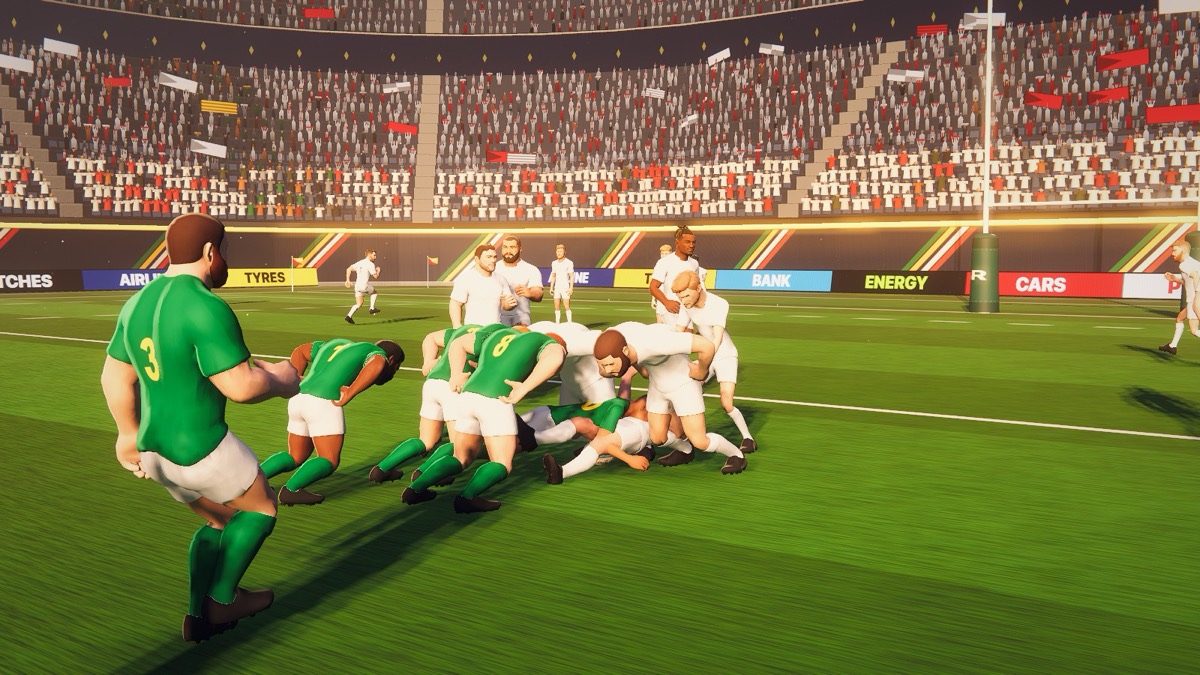
In the game, each player is then shaped by his own height and weight, so a prop and a winger built from the same kind of picture still look nothing alike.
What it costs
About 85 Tripo credits a player, and a few minutes of waiting. A whole new national side, all 23, takes an afternoon. Most of that is checking each player stands right before he goes in.
What’s next
More sides, and players who look more like themselves up close. If you want to see how it turns out, get notified or join us on Discord.